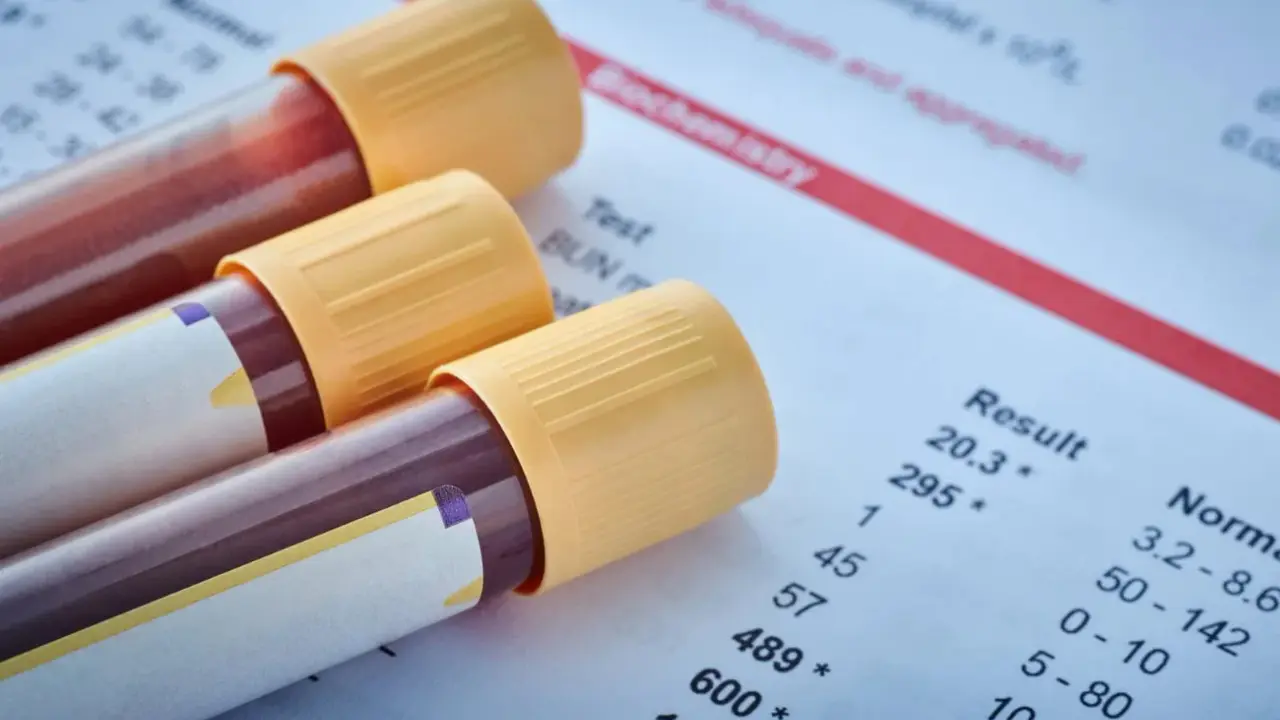
Blood Profiles of Faster Runners: What We Know — image accompanying Marathon Handbook's report. Image accompanying Marathon Handbook’s report; reduced and presented for news commentary with the attributed report. View the complete source report.
Researchers analyzed blood samples from 141 men, focusing on 636 metabolites. They found 10 metabolites differed between faster and slower runners. Six were higher in faster runners, including cortisol. Four were higher in slower runners, including glutamic acid.
The study did not measure diet or VO₂max, limiting broader conclusions. Despite the differences, no metabolic pathways explained the variations after statistical correction. The findings suggest potential areas for future research on improving running performance. Read more culture coverage.
For runners, the study offers potential biomarkers for performance but advises caution. Changing training or diet based solely on these results may not improve race times. The study highlights the need for further research to understand the practical implications of these findings. Related: Strengthen Hamstrings for Faster, Safer Running.
This original Runner World brief is based on reporting from Marathon Handbook. Visit the source for its complete reporting, context and any later corrections.
Reader questions
Questions about this report
What should runners know about Blood Profiles of Faster Runners: What We Know?
Study finds differences in blood metabolites between faster and slower runners. Researchers analyzed blood samples from 141 men, focusing on 636 metabolites. They found 10 metabolites differed between faster and slower runners. Six were higher in faster runners, including cortisol. Four were higher in slower runners, including glutamic acid.
When did Runner World publish this culture brief?
Runner World published this brief on November 6, 2026. The underlying Marathon Handbook report was dated November 6, 2026.
Where can readers find the complete original report?
This summary is based on reporting from Marathon Handbook. The attributed source link in the article leads to the publisher’s complete report.
THE WEEKLY BRIEFING
Start the week a step ahead.
A concise edit of the running stories worth knowing, sent every Monday.