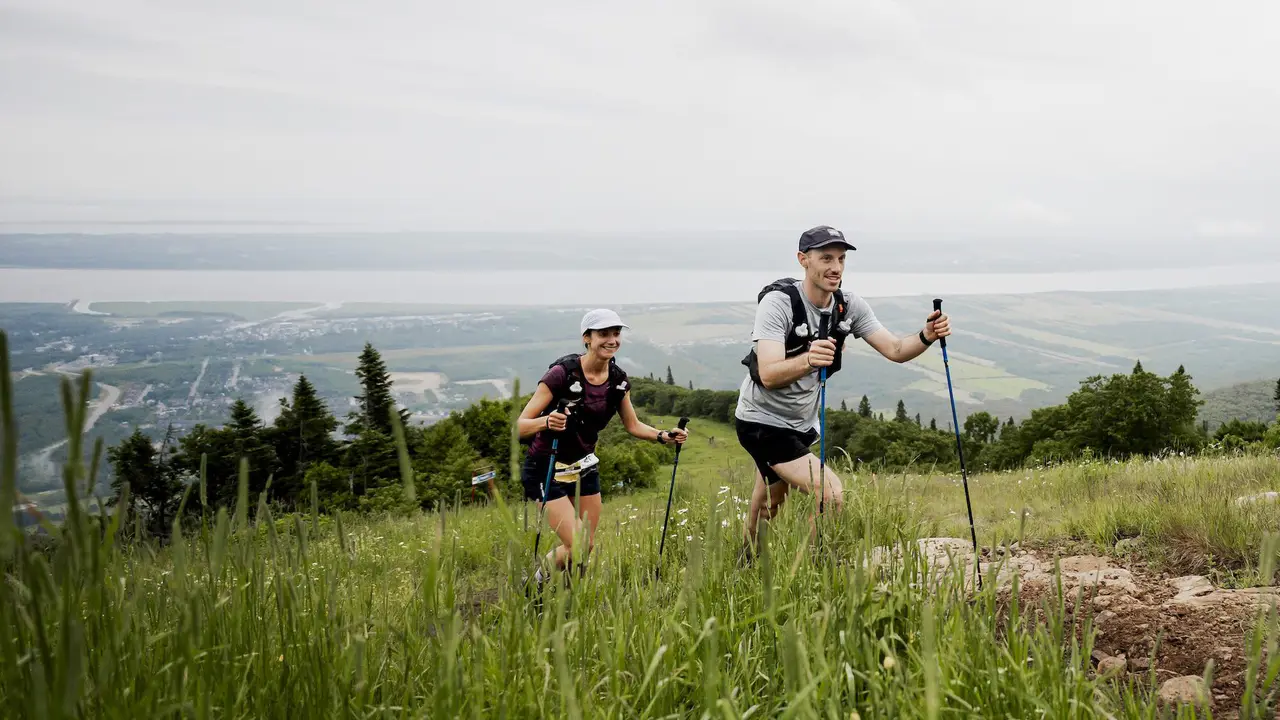
Walking in Ultramarathons: Is It Common Practice? — image accompanying Canadian Running's report. Image accompanying Canadian Running’s report; reduced and presented for news commentary with the attributed report. View the complete source report.
Ultramarathons, races longer than 42.2 km, often see athletes walking, especially on steep inclines. Competitive 50K races typically avoid walking except on mountains. Terrain technicality affects walking frequency.
Coach Dean Johnson explains walking's efficiency on flatter terrains. Running is more efficient at faster paces, using leg elasticity. Slower runners walk more, conserving energy. Longer races see more walking, even by leaders. Read more trail coverage.
Johnson notes that training for ultramarathons should include walking. Many runners DNF due to inability to walk the final kilometers, even at an easy pace. Related: Coros Pace 4 Pro: A Comprehensive Review by iRunFar.
This original Runner World brief is based on reporting from Canadian Running. Visit the source for its complete reporting, context and any later corrections.
Reader questions
Questions about this report
What should runners know about Walking in Ultramarathons: Is It Common Practice??
Ultrarunning coach Dean Johnson discusses walking during ultramarathons and its efficiency. Ultramarathons, races longer than 42.2 km, often see athletes walking, especially on steep inclines. Competitive 50K races typically avoid walking except on mountains. Terrain technicality affects walking frequency.
When did Runner World publish this trail brief?
Runner World published this brief on September 24, 2026. The underlying Canadian Running report was dated September 24, 2026.
Where can readers find the complete original report?
This summary is based on reporting from Canadian Running. The attributed source link in the article leads to the publisher’s complete report.
THE WEEKLY BRIEFING
Start the week a step ahead.
A concise edit of the running stories worth knowing, sent every Monday.