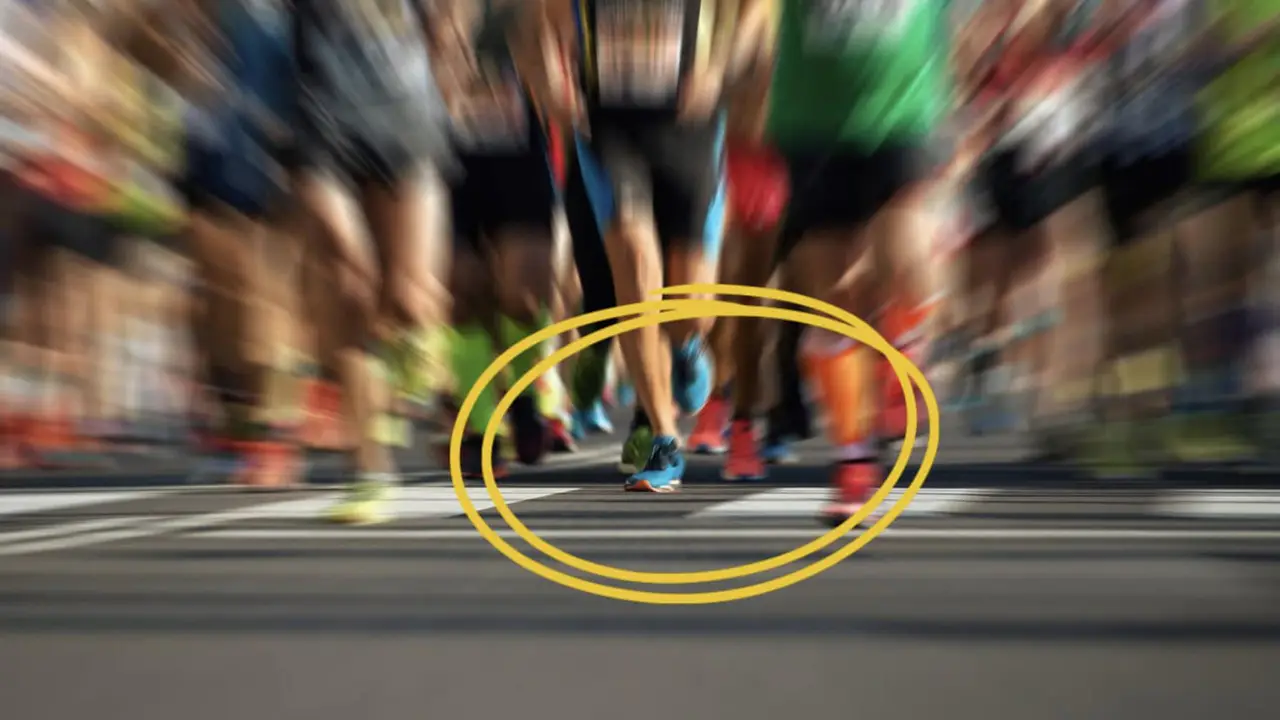
Study Explores Predictors of Super Shoe Benefits for Runners — image accompanying Marathon Handbook's report. Image accompanying Marathon Handbook’s report; reduced and presented for news commentary with the attributed report. View the complete source report.
A study examined if anatomical traits could predict super shoe benefits. Runners completed treadmill trials in carbon-plated and control shoes. Various anatomical and neuromuscular traits were measured.
The study found that hamstring stiffness and calf-muscle stiffness were significant predictors. However, these factors explained only a fraction of the variation in shoe response. Most runners still benefited from the shoes. Read more culture coverage.
The study concluded that anatomy alone cannot predict shoe performance. Runners should test shoes under repeatable conditions to find the best fit for their needs. Related: Study: Stroller Running May Reduce Overuse Injuries.
This original Runner World brief is based on reporting from Marathon Handbook. Visit the source for its complete reporting, context and any later corrections.
Reader questions
Questions about this report
What should runners know about Study Explores Predictors of Super Shoe Benefits for Runners?
Researchers found limited ability to predict shoe performance based on runner characteristics. A study examined if anatomical traits could predict super shoe benefits. Runners completed treadmill trials in carbon-plated and control shoes. Various anatomical and neuromuscular traits were measured.
When did Runner World publish this culture brief?
Runner World published this brief on August 20, 2026. The underlying Marathon Handbook report was dated August 20, 2026.
Where can readers find the complete original report?
This summary is based on reporting from Marathon Handbook. The attributed source link in the article leads to the publisher’s complete report.
THE WEEKLY BRIEFING
Start the week a step ahead.
A concise edit of the running stories worth knowing, sent every Monday.