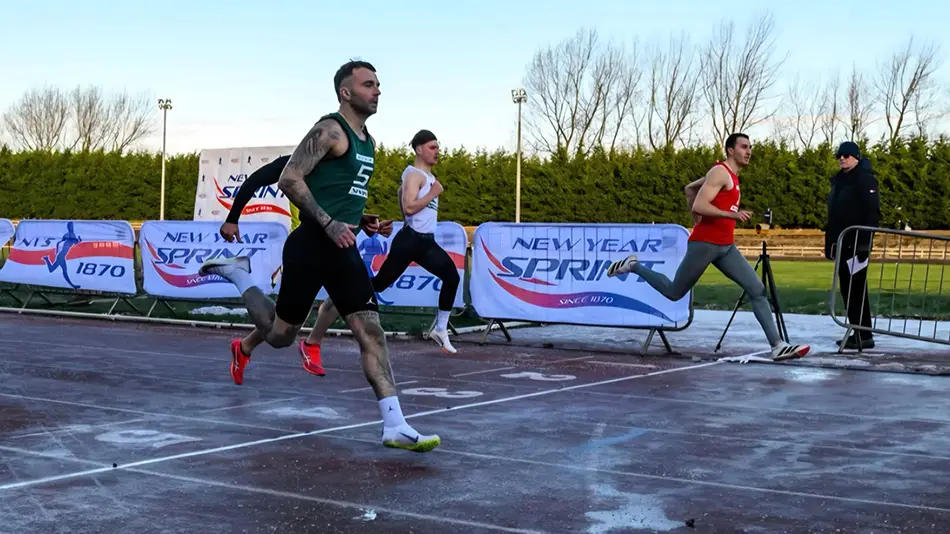
New Year Sprint: A 158-Year Tradition of Speed and Secrecy — image accompanying Athletics Weekly's report. Image accompanying Athletics Weekly’s report; reduced and presented for news commentary with the attributed report. View the complete source report.
The New Year Sprint, dating back to 1870, is Scotland's most colourful athletics tradition. Organiser James Cunningham aims to restore its former glory with the 158th running on January 1, 2027, at Musselburgh Racecourse.
The race, a handicap event, has attracted betting and prize money over the years. Cunningham recalls miners' gambling habits and secret training camps, adding to the event's intrigue. Famous winners include Willie McFarlane, George McNeill, and Jazmine Tomlinson, the first female winner in 2016. Read more racing coverage.
This original Runner World brief is based on reporting from Athletics Weekly. Visit the source for its complete reporting, context and any later corrections.
Reader questions
Questions about this report
What should runners know about New Year Sprint: A 158-Year Tradition of Speed and Secrecy?
The New Year Sprint, a Scottish handicap race, returns for its 158th running with a rich history of speed, secrecy, and betting. The New Year Sprint, dating back to 1870, is Scotland's most colourful athletics tradition. Organiser James Cunningham aims to restore its former glory with the 158th running on January 1, 2027, at Musselburgh Racecourse.
When did Runner World publish this racing brief?
Runner World published this brief on September 9, 2026. The underlying Athletics Weekly report was dated September 9, 2026.
Where can readers find the complete original report?
This summary is based on reporting from Athletics Weekly. The attributed source link in the article leads to the publisher’s complete report.
THE WEEKLY BRIEFING
Start the week a step ahead.
A concise edit of the running stories worth knowing, sent every Monday.