The quick verdict
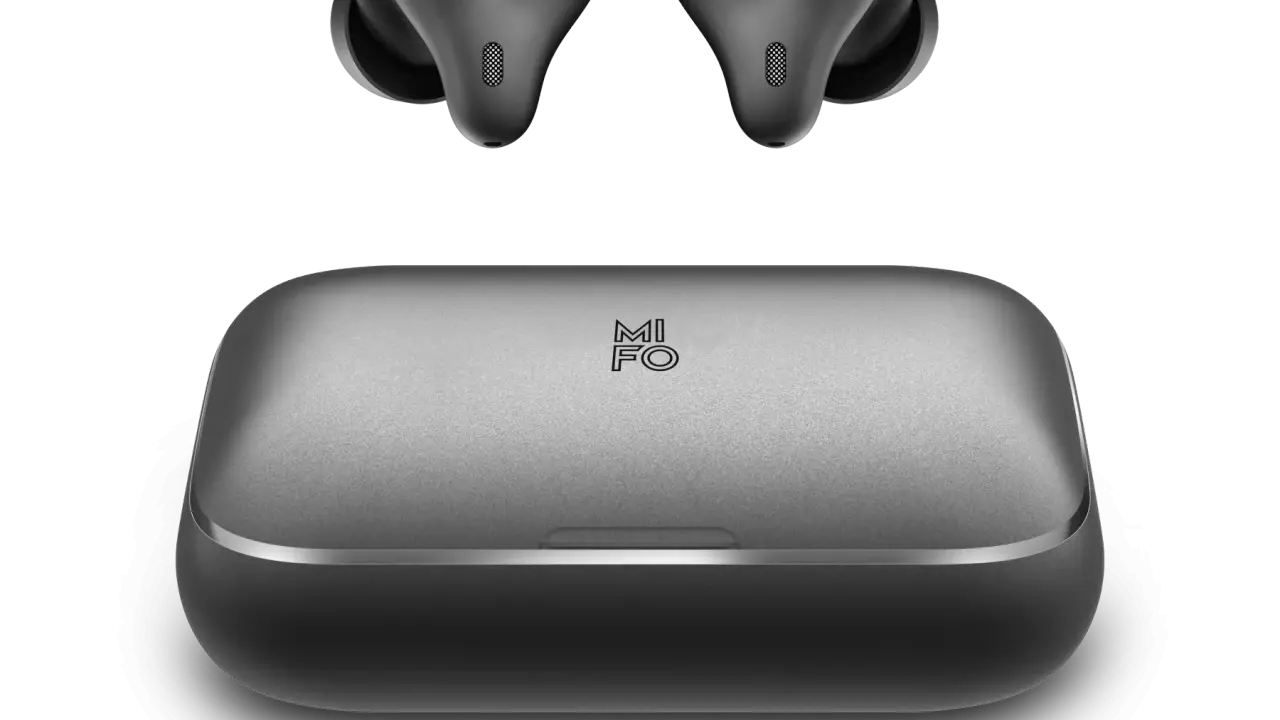
Mifo’s fourth-generation earbuds aim directly at a familiar training annoyance: the little mid-run ritual of pressing an earbud back into place every few minutes. The Gen 4 pairs a low-profile athletic fit with hybrid noise cancellation, transparency mode, app-controlled sound, multipoint Bluetooth and a charging reserve big enough to change how often you think about a wall outlet.
On paper, it is a compelling package for runners and gym regulars. The practical details do the convincing: a compact shape designed from research across more than 2,000 ears, five silicone-tip sizes, a case rated for up to 120 total listening hours and controls that move quickly between indoor focus and outdoor awareness. That combination earns a 92/100 specification-and-value score. It is a strong recommendation for the published package, not a promise that every ear will fit identically or that every user will reach the maximum battery figure. Read more gear coverage.
What makes the Mifo Gen 4 different?
The Gen 4 takes Mifo’s compact O5-style shape and builds a much more modern system around it. The company lists Bluetooth 6.0, hybrid active noise cancellation, transparency mode, two-device multipoint, LDAC high-resolution playback on compatible sources and a 60-millisecond low-latency mode. No single line on that list wins the review; the appeal is having all of it in an earbud intended to stay unobtrusive while the body moves. Related: Choosing the Right Running Shoe: Understanding Foot Shape and Movement.
Mifo’s iPhone and Android app controls the equalizer, noise modes, touch gestures, individual earbud and case battery levels, device connections and over-the-air firmware updates. That matters because workout audio is personal. I might want more low-end energy for intervals, then a cleaner midrange for a coaching podcast on an easy day. A useful EQ keeps the hardware from being trapped inside one factory tuning.
The outer earbud bodies and charging case are precision-machined from recyclable aircraft-grade aluminum rather than the glossy plastic common at this price. The finish should feel more substantial, but materials alone do not establish durability or comfort. A production unit still needs to show how the case carries in a running belt, how the touch surfaces behave with damp fingers and how the metal finish looks after months beside keys and gym kit.
Why runners should pay attention
The runner-specific story starts with fit. Mifo says the Gen 4 shape was informed by more than 2,000 ear profiles and sits low to reduce bounce and bulk. That is more thoughtful than adding a wingtip to an ordinary bud and calling it a sports model. A recessed silhouette should also be less likely to catch a hat, towel or hand during a session.
Five pairs of silicone tips are included, and that range is important. Retention depends on the seal as much as the shell: too small can loosen under sweat and repeated foot strike, while too large can create pressure over a long run. Taking ten quiet minutes to test both ears separately is likely to matter more than accepting the medium tips installed at the factory.
Mifo markets the fit for sprinting, endurance work, heavy lifts and other vigorous movement. I like the directness because stability is the whole point of a training earbud, but “never falls out” remains the brand’s claim, not a universal guarantee. Ear anatomy varies. Runner World will test retention across steady running, strides and gym movement when the production unit arrives.
Transparency mode may be the feature runners use most. It lets more surrounding sound into the mix and is the more responsible choice around traffic, intersections, cyclists and shared trails. Hybrid ANC makes more sense on a treadmill, in a busy gym, during travel or before a race than on an open road where awareness matters. No listening mode replaces looking up and paying attention.
Why gym-goers may like them even more
The gym may be the Gen 4’s natural habitat. Hybrid ANC uses external and internal microphone paths to reduce surrounding noise, which should help with treadmill motors, plate clatter and loud conversations without forcing the volume higher. The compact housing also makes sense for strength work, rowing, circuits and plyometrics because there is less material protruding from the ear.
Multipoint can keep two compatible devices connected, useful when a workout starts with music from a phone but a laptop call waits afterward. Custom touch controls reduce phone handling between sets, while the 60-millisecond low-latency mode should keep training videos, treadmill classes and mobility sessions closer to sync when the connected device and codec cooperate.
Sound, ANC and call features
Mifo calls this its loudest, deepest-bass O5 tuning so far. The published signal path includes a stereo digital-to-analog converter rated at 104 dB signal-to-noise ratio and LDAC playback up to 24-bit/96 kHz on compatible devices. Those specifications suggest headroom; they do not tell us whether bass stays controlled, voices remain natural or treble becomes tiring after an hour. Those judgments belong to the hands-on update.
For calls, Mifo lists three microphone inputs, a three-channel analog-to-digital converter rated at 102 dB SNR and AI beamforming intended to separate speech from wind and surrounding noise. That sounds promising for a post-run call, but outdoor wind handling needs real testing. LDAC also carries a compatibility footnote: it requires a supported source, and Apple’s iPhones do not support it. iPhone owners still get the Mifo app, EQ and core controls, just not that codec path.
Battery life and the unusually useful case
The largest number on the specification sheet is up to 120 hours of total listening time. The key words are “total” and “with the case.” This is not 120 continuous hours from one earbud charge. It includes the additional recharges stored in the case, and actual results will change with volume, ANC, calls, codec choice, temperature and other conditions.
Even with that qualification, the reserve is attractive for marathon weekends, work travel and anyone who routinely finds an empty case five minutes before a run. Mifo says the case can work as a USB-C power bank with enough stored energy to recharge a typical compatible smartphone from empty at least once. Phone capacity, cable and charging conditions affect the result, and power sent to a phone naturally leaves fewer earbud recharges. Still, I would rather pack one case that can rescue both my playlist and my phone than add another battery to a race-weekend bag.
Build, colors and value
The Gen 4 comes in Graphite, Matte Black and Rose Gold with an aluminum case, five silicone-tip pairs and a USB-C cable. At publication, Mifo listed it at $129.99 in the United States and A$149.99 in Australia. Prices and promotions can change, so check the official Mifo Gen 4 product page for current colors, pricing and availability. Brand imagery on this page shows the current design; original Runner World photographs will replace or supplement it after a production unit is available.
What Mifo still needs to clarify
One omission matters for an exercise product: Mifo’s current Gen 4 materials do not publish a formal IP sweat- or water-resistance rating. Ratings attached to earlier Mifo models should not be carried forward without confirmation. Until Mifo publishes a Gen 4 rating or independent testing establishes one, runners should be cautious in heavy rain and very sweaty sessions. The prominent 4.7/5 score and more than 6,000 reviews shown in some Mifo materials also belong to the earlier O5 Plus Gen 3 lineage, not the Gen 4 itself.
Final verdict
The Mifo Gen 4 earns 92/100 because its published package addresses the details active people notice every day: less protrusion, more fit options, a sensible awareness mode, app control, multipoint and an unusually capable case. Runners who prioritize road awareness may still prefer an open-ear design, and anyone training in frequent rain should wait for a clear water-resistance rating. For everyone else, especially treadmill runners and gym-goers who want one compact pair to cover training, travel and daily listening, this is one of the most interesting feature sets in its price class. The next step is simple: put the fit, sound, battery and sweat handling through real miles.