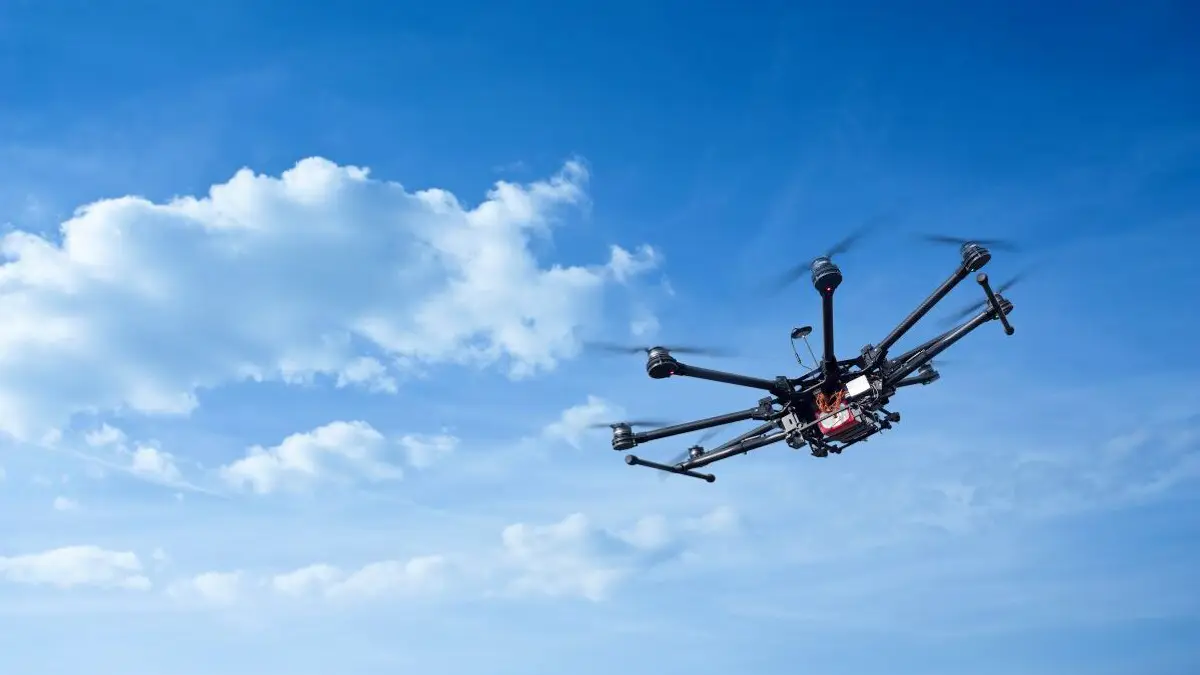
Drones May Speed Up Anti-Doping Sample Transport — image accompanying Canadian Running's report. Image accompanying Canadian Running’s report; reduced and presented for news commentary with the attributed report. View the complete source report.
The International Testing Agency explores using drones for faster sample transport. Researchers found drones delivered samples much quicker than cars. Over five kilometers, drones took five minutes and 15 seconds, compared to nine minutes and 45 seconds by car.
The study, conducted in Doha, Qatar, found no significant differences in key markers. This includes urinary steroid profiles and testosterone-to-epitestosterone ratios. The research suggests drones can preserve sample integrity under tested conditions. Read more culture coverage.
The ITA’s Integrity in Flight project aims to test drones over longer distances. A 1,000-kilometer flight was completed in Alaska. The World Anti-Doping Agency is interested but stresses rigorous testing is needed. Drones may not replace traditional transport yet, but they offer a potential solution to logistical challenges. Related: Heat Acclimation Does Not Restore Carb Burning From Sports Drink.
This original Runner World brief is based on reporting from Canadian Running. Visit the source for its complete reporting, context and any later corrections.
Reader questions
Questions about this report
What should runners know about Drones May Speed Up Anti-Doping Sample Transport?
Study shows drones can deliver samples faster without affecting key markers. The International Testing Agency explores using drones for faster sample transport. Researchers found drones delivered samples much quicker than cars. Over five kilometers, drones took five minutes and 15 seconds, compared to nine minutes and 45 seconds by car.
When did Runner World publish this culture brief?
Runner World published this brief on November 21, 2026. The underlying Canadian Running report was dated November 20, 2026.
Where can readers find the complete original report?
This summary is based on reporting from Canadian Running. The attributed source link in the article leads to the publisher’s complete report.
THE WEEKLY BRIEFING
Start the week a step ahead.
A concise edit of the running stories worth knowing, sent every Monday.